I Support the Seven Principles of the Campaign for the Future of Higher Education! You Should Too!


Saturday, August 7, 2010

Fishguard Wales


We arrived in Fishguard, Wales (Abergwuan is the adjacent older Welsh settlement across the River Gwuan - Aber is Welsh for river mouth) on August 2nd. We had a 4.5 hour bus ride, a milk run, from Cork to Rosslare Harbor where we caught a Stena Line express ferry (a catamaran fast craft) across the Irish Sea to Wales. With the kind help of Tony the taximan we were able to get cash (British sterling) and some groceries to tide us through the night and next morning, then he dropped us at Fishguard Bay Caravan Park where we had a tent pitch reserved. The site is stunning (as the photo tells) being situated on the edge of the cliffs that run the length of the Pembrokeshire National Park coastline. This morning we hiked 3 miles into Fishguard along the coast trail, had an ale (and Cokes) at the Royal Oak (now a pub) where the treaty marking the end of hostilities between Napoleonic naval forces and the British was signed in 1797 (this was the last actual invasion of Great Britain).

The hike showed that the planning system in the UK does far more to protect the rural landscape than is the case in Ireland - or so it seems. The Shive will be learning more about that shortly. After a day of trip planning tomorrow, we're likely off to Cardigan and then Aberystwyth some time down the road. We have some 50more days in the UK, so we're not in a hurry!

The Shive also has to make some contacts with angling clubs to learn about fisheries management and the like here. Two days before our departure from Ireland he learned much about the Irish situation for freshwater gamefish (espec. Atlantic salmon) management and conservation from Bob Seward, Secretary of both the Salmon and Sea Trout Recreational Anglers of Ireland and the Angler's Council of Ireland - more on this later.

Until then, cheers (as they say here) and thanks a million (as said in Ireland) for following our adventure!

Friday, July 23, 2010


Cork, Ireland, is a fascinating, historic, and incredibly friendly city. From early Celtic roots, verified by Og(h)am inscriptions on stones found throughout the region and now displayed in the Stone Corridor in Aula Maxima at the beautiful University College Cork, the narrow lanes of the 9th century Viking settlement that emerged on the island in the River Lee, the Victorian historic structures, to the modern shops that are nestled in between all of the rest, it is an eclectic and intriguing place! No wonder it is on Lonely Planet's short list (10 best places to visit).
The people of Cork are very friendly. Numerous times we've been offered assistance when our confusion over location and direction became apparent (new place, meandering streets, cloudy skies, no compass!). And many thanks to Brendan O'Sullivan who directs the Planning and Sustainable Development Program at University College Cork for the informal walking tour and engaging discussion over planning issues, approaches, and problems!
The planning context for Cork is influenced by a national framework (the National Spatial Strategy) that gives responsibility for spatial planning to regions, and then to the counties and five major cities, then to smaller cities (all local government plans must conform to the statutory regional planning guidelines). Planning for future growth and dealing with the inevitability of sprawl (when the ability of urban places to continue to grow when constrained by existing densities, the historic preservation imperative, and greenbelts) are major challenges here as they are in so many other places.
If and when you come here, do plan to spend a week or more as there is so much to take in. The Vision Centre, UCC, St. Finnbarre's Cathedral, the City Centre, the English Market with delicious fresh local food for your kitchen - these are just some of the major attractions!

Sunday, July 11, 2010

More on Aquatic Invasive Species


I just had to post this - it was waiting in OneNote for me to do this. We've been in Oregon for the last weekand a half visiting with family and friends before we leave for Ireland on July 17th. After leaving Umatilla we travelled through the Bend-Redmond area on Hwy. 97 before heading up Century Drive (aka Cascade High Lakes Hwy.). Wow has Bend grown over the last 15 years since Gret and I last visited during winter ski trips. 80+ thousand now (larger than sweet little Missoula) with a renewed downtown, a lot of roundabouts to accommodate increased traffic volumes from new subdivisions on the way up Century Drive, and the new Hwy 97 throughpass.

Given the Idaho Aquatic Invasive Species program I mentioned in the last post, we inquired about one in OR and learned that there is a fledgling program just being implemented. Signage is up at boat launches, and permits are required for craft 10 ft or longer (these are good for a year and transferable). It will be interesting to see how effective the program will be once fully implemented - I'll research it more further to better understand what its parameters are. In the meantime, here is a pic of a boat/car/RV washing station at the Port of Siuslaw, near Old Town Florence, where we spent a nice night camping before driving up the coast to Newport (nice to be back on the Oregon coast - the most scenic in the land!).

Roundabouts, Roundabouts, and Roundabouts, Oh My!


Well my Montana friends and colleagues, Oregon has roundabouts. Lot's of them, it appears. In leaving Bend on Century Drive (the Cascade High Lakes Highway), we drove through no less than three of them (shown here in the pic from Google Earth, 2006)! No doubt they were built to accomodate heavy winter ski traffic to Mt. Bachelor and its impact on vehicle traffic coming from subdivisions. And we saw them in Eugene too, especially out on Greenhill Road to the west of town where much new development has been occurring.


The all work as well as Missoula's very own Higgins & Beckwith roundabout, but people travel them at significantly higher speeds. For any citizens, local officials, and planners who want to learn more about how well these work, I recommend contacting the public works departments of Bend and/or Eugene.


Goodbye for now - congratulations Spain on the World Cup! Leaving for Ireland on Saturday.

Thursday, July 8, 2010

June 30 - Hittin' the Road


Left Mizoo around 1 pm. Kid's said it was surreal that we were finally leaving. The road through the Clark Fork Valley was green and absolutely beautiful. My heart would die if I knew I was leaving permanently. Ran into a boat check station in Idaho (checking for Aquatic Invasive Species!) just East of Cataldo Mission. Had to stop because we had three boats along for the ride - even though Gret thought the canoe and kayak shouldn't count. Awesome! So glad that Idaho has stations now - Montana's are few but hopefully increasing thanks to Caryn Miske, Senator Verdell Jackson, and the Montana 2009 Legislature! We do have the beginnings of a decent program, but we need to be so vigilant. I fear the worst, though, having lived in Michigan w/ Zeeba Mussels, Snakeheads, and Quagas!

So here's the pic for the post - our boat laden short caravan on the OREGON bank of the Great Columbia River at Umatilla. Even outside of the Hanford reach, have to dig down and say, "Roll on Columbia!"

Thursday, May 20, 2010

Why there are so many deadly diseases in the developing world.


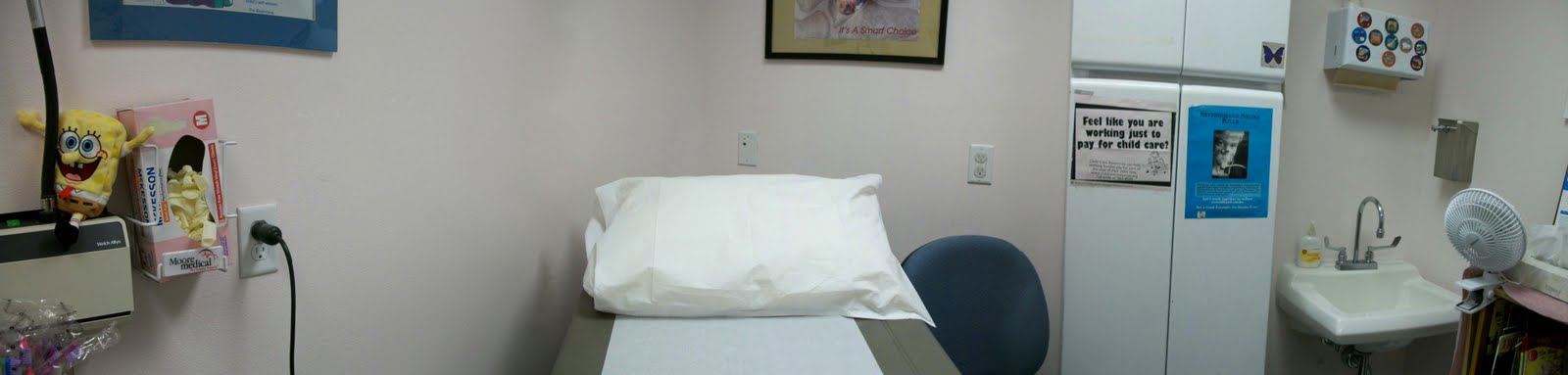
So, we all had a learning experience yesterday when the Shives went for their travel health consultation and immunizations at the Missoula City-County Health Department. The consultation lasted a good hour, it took the nurse another half-hour to draw up all of the vaccinations (Hep A & B, Tetanus, Meningitis, & Pneumonia) as well as writing up prescriptions for Malarone (for Malaria - this will cost $500-$600 when we fill them) and getting the oral Typhoid medications for us. Many pokes later, the painful part began - the cost for the four of us was $825! So Rio and Ari got to learn why it is difficult to curb many diseases in developing world states (and as Ari noted, why its important to have a decent job). Here is a picture of the room we spent a good hour in waiting for the vaccinations (Photographer - Ari).

Wednesday, May 5, 2010

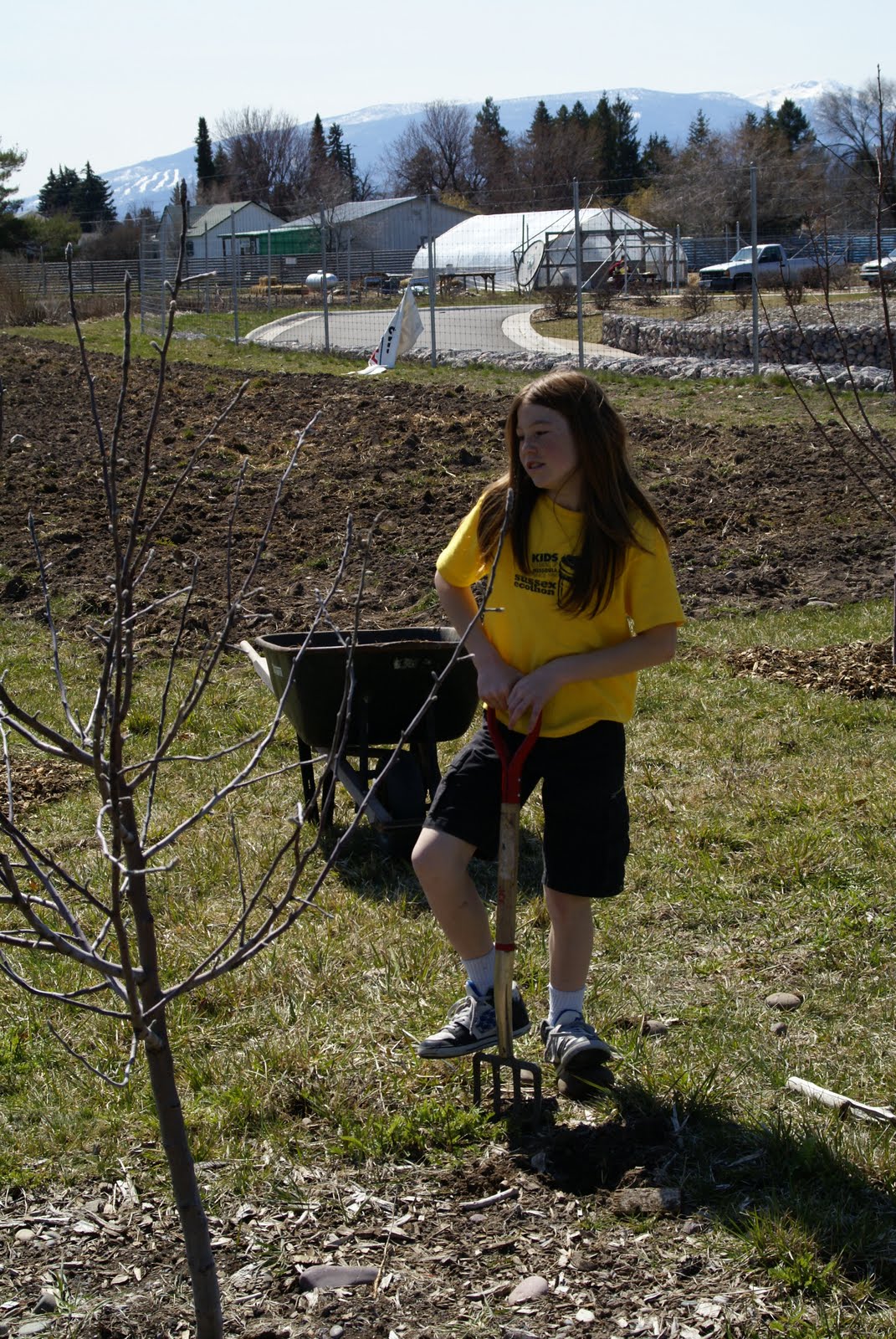
Thanks for your Sussex Ecothon Support!


This year Rio & Dave picked up garbage for 3 hours picking up 6 bags of trash and 3 bags of recycling…..multiply that by 9 more students and their parents. Rio then went to help with the relocation of the Home Resource Center the non-profit construction supply store. We have picked up quite a few things needed for remodel at next to nothing.

Ari Pictured below in all his 70's glory. Gretchen went out with him and four other kids. Yikes. The other adult in their garbage detail stated that their crew picked up the most…who knows, they said it was eventful. The best part was aerating the orchard of one of the Garden City Harvest plots. It turns out the manager of this particular area is from Tillamook OR. The Garden City Harvest provides food for low income families and those who would like to work the field for fresh vegetables during the season.